Showing posts with label Green Parenting. Show all posts

Monday, November 14, 2011

The Healthiest Baby (and planet) You Can Grow

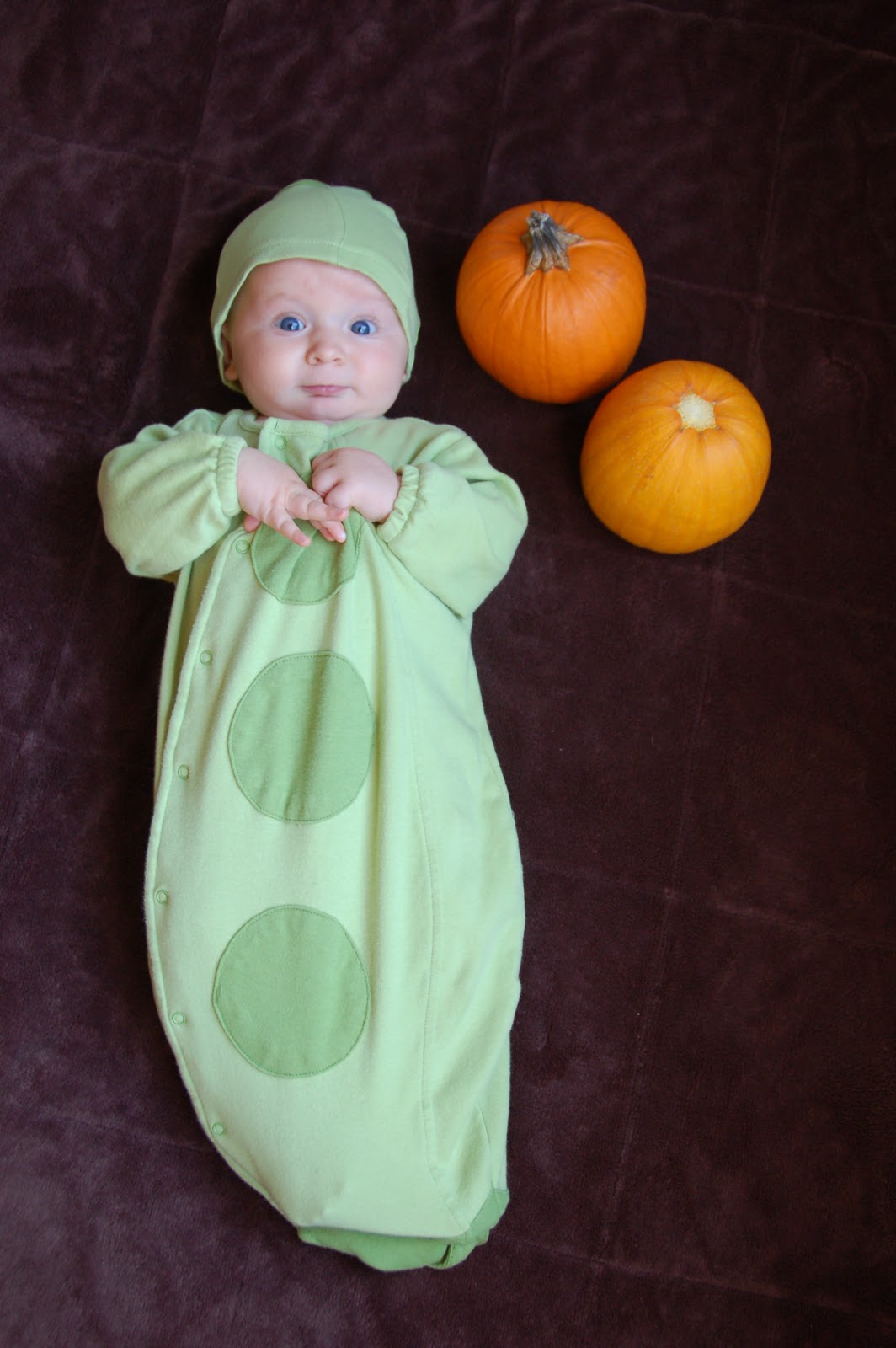
The newest addition,
our littlest (organic)
pea in a pod.
October 31, 2011
Many of my friends are expecting now, just after my giving birth this past June.  I love babies and motherhood, it's no secret (since I have 3 boys now).  So I take shopping for baby items seriously - whether for myself or for my mom-to-be girlfriends.

Today's post is actually part of a gift I gave a girlfriend of mine just a few weeks ago. She is expecting her first in less than 6 weeks - so exciting! - and I noticed a few items on her baby registry that could be lurking with some toxic chemicals (aka something akin to Johnson and Johnson since they have come under fire for using toxic chemicals in their baby bath products).

We all know and have heard plenty, sometimes more than we want, about why going green is necessary. The risks of not (going green) include everything from cancer, ADHD, and hormonal imbalances in yourself or your baby, to global warming and ultimately - polluting the future planet our children will inherit.

Going green is not really an option anymore, it should be an urgent imperative for every family.  Like so many of my friends, myself included, going green means starting small and taking baby steps (no pun intended).

So, here is my letter to her, of course edited for your best interest and consumption.

My dear friend,

I hope you absorb all of this magical time you can. There is nothing as joyful as the first pregnancy. Nothing.


Here is some information to go along with your gift. When I was pregnant with Michael, I poured through the research on clean foods and baby products. I found more than I wanted to know - about petroleum based chemicals in baby wipes, and even shampoo and food! I also learned that children's vitamins had saccharin, artificial flavoring and other dangerous and unnecessary chemicals in them. Read more

The solution is clean food and green baby products - no funny stuff or chemicals in them. So I searched until I found vitamins, baby wipes, diapers, bottles, and baby feeding supplies that were made with respect for the planet and with care for the fragile nature of tiny developing humans. ;)


I wanted to share a bit of this info. with you - since things as benign as baby wipes can be toxic - once you read the label and realize what the company has put into them. So - here goes!

Save money and the planet at the same time.  These actions can include:
  • Stop buying paper products (except toilet paper of course).  Okay, so occasionally I buy tissues (aka Kleenex) when there are snotty noses in the house. But other than that, we buy nothing disposable - no paper towels, paper plates, throw away cups or cleaning products, etc. Things like that. Also, we cloth diaper. It's a controversial topic, but from everything I read (and I've been following the cloth/disposable controversy since 2005) - unless you have a water shortage, cloth is better.
  • Avoid GMO's and other harmful substances. Rodale press (green press) really is a fantastic hot spot for the latest information on all things organic and green parenting. Here is this morning's fantastic review on: 7 things to evict from your baby's diaper bag.
  • Do not buy, I repeat, do not buy anything with these Toxic Ten in them. It's not easy, but there's nothing more to it than reading labels. Carefully.  Currently, until laws change, label reading is the only defense (or offense) we as consumers have to protect our families from dangerous chemicals.  
Here are a few more links:
  • Hidden dangers in baby wipes, bottles, and more...How to choose healthiest versions for baby.
    I used cloth diapers(Fuzzi Bunz) and made my own (easy!) cloth wipes and solution.  But this article gives alternatives for moms who choose not to or cannot cloth diaper or make their own wipes.
  • Excellent resource for latest information in green (and safer) living: http://rodalepress.com/.  You can sign up for their free newsletter, which outlines the latest research and findings for healthy living, food, environment, and fitness. Most important, they are usually the first (independent and not for profit agency at that) to report on dangerous chemicals found in baby toys, foods, etc. Their mantra is "Where Health meets Green."
  • The New Good Life: http://www.johnrobbins.info/the-new-good-life/.  A book about eco-friendly and safer (better) living for everyone on the planet. 

    Through searching on the web over the last 6 years, I have found a sustainable substitute for just about every baby product a parent will need during the first 5 years.  I have found many other resources on healthy versions of things pediatricians regularly recommend.

    For example, if you breast feed, your MD is likely to recommend Vitamin D drops. Well, I recently went to the drugstore to find the D drops that were recommended to me by a pediatrician. The drops that are front and center on drugstore shelves are full of preservatives and artificial flavorings. I could not imagine giving my baby such a toxic brew when he's fresh, new, and has a real start at a healthy life.   So - I did some homework and found a substitute Vitamin D for the preservative-riddled vitamin D on drugstore shelves. It is (simply) vitamin D3 and coconut oil (what a relief).  Of course, it is up to moms (and dads) to read labels and discern what is best for their child.  The other option for parents are to forgo the supplements, such as the Vitamin D drops. However this argument is a drop in the well of many controversies on raising baby.

    Anyhow - not to overwhelm you - but as you know, you are your biggest advocate for yours and your baby's best health. The western system of medicine can sometimes be guilty of practicing medicine based on patient (or practitioner) convenience rather than what is best or evidence based - and this short sighted model is typically and overwhelmingly not planet or people friendly (or sustainable in the long run).

    I do hope this helps and encourages you. It's truly my passion to help moms and babies have their best, most natural, most gentle start!


Thursday, March 31, 2011

Mothering & Family Resources: Prenatal to Postpartum and Everything In Between

Photo taken this past week,
entering into my third trimester
with my third child.

As I am approaching the last few weeks of my third pregnancy, I thought it helpful to share some of the resources I use and have written about in my own journey through motherhood. Here are some helpful resources for you eco-saavy mothers and readers:


Pregnancy
There are other texts that offer methods for labor and delivery coaching that I have used in the past, including Birthing from Within and Natural Childbirth (Bradley Method).  Although they are wonderful texts I found that the relaxation method(s) taught in them, if used exclusively, can hinder the process of active participation in birth.  Combining my own yoga poses and breathing methods (which will eventually be available in my new book Fit and Fearless Birth) with the Bradley technique and and methods suggested in Peggy Simkin's book can allow a mother to actively participate in the birth process.

Postpartum
Unfortunately support and resources after childbirth tend to dwindle rapidly and are more difficult to find.  The incidence of postpartum depression (PPD) in American women is at its highest ever, with some reports being as high as 20% (Josefsson et al 2001).

Most texts available on the postpartum period center around recognizing and treating, rather than preventing postpartum depression.  However, it seems that we could do better by new mothers to offer more care and support in the days, weeks, and months preceding and proceeding childbirth - by helping mothers physically - with community based support, sound advice on being fit and ready for birth, and the like.  Oprah has even stated that the most common problem reported on her show centered around parenting and "how-to" do it.  In a suggestion to Dr. Mehmet Oz, she said perhaps American youth need more structured learning about parenting, since we have less familial network and support due to our highly mobile lifestyles.

In addition, America's lack of a maternal or paternal leave policy is thought to greatly contribute to the lack of support and high rates of PPD. As a developed nation the US ranks at rock bottom for maternal support.  Out of 160 nations in 2010 as reported in the Save The Children Mother Index, Nordic countries place first, followed by several other developed countries.  Several poorer countries, including the Baltic states, Estonia, Latvia and Lithuania rank higher than the United States. The European states of Croatia and Slovenia also ranked higher than the US.

Factors that influence the US ranking are its high maternal and infant mortality rate and lack of maternal (or paternal) leave.  At 1 in 4,800, the US has one of the highest mortality rates in the developed world, according to the report.  “A woman in the Unites States is more than five times as likely as a woman in Bosnia and Herzegovina, Greece or Italy to die from pregnancy-related causes in her lifetime and her risk of maternal death is nearly 10-fold that of a woman in Ireland,” the report said.

However, the resources provided, in addition to future ones, such as Fit and Fearless Birth, are a start in providing more resources for new mothers to help lower PPD rates, improve their health, and increase their sense of well being.

Green Parenting & Family Life
Green parenting can go a long ways toward improving the health of America's mothers, families, children, and of the entire planet.  I encourage all parents to reduce, reuse, and recycle (The 3-R's) when they can.

Simple strategies include ridding the home of unnecessary chemicals like cleaners, pesticides in the yard and garden like weed killers and fertilizers, adopting a "No Shoes" policy in your house, avoiding use of all plastics, and using cloth napkins and cloth diapering (and wipes) systems whenever possible.  Lastly, we make a point to grow our own organic food (we have limited space but make great use of a small raised box and container gardening) when we can and when we can't - we shop local, organic, and stick to a mostly plant based diet. My own family has adopted all of these 3-R policies, and we are healthier and happier for it.


Sources:
Josefsson A, Berg G, Nordin C, et al. Prevalence of depressive symptoms in late pregnancy and postpartum. Acta Obstet Gynecol Scand. 2001;80:251-255. Abstract
Women on the Front Lines of Health Care: State of the World's Mothers 2010. Save The Children May 2010.  

    Friday, August 20, 2010

    Is Your Kid A Food Snob? (maybe she/he should be)

    A few weeks ago I was researching preschools and childcare in the area.  During my search, I had a wonderful conversation with the director of a preschool about giving your child a (um) "golden palate."  In other words, how do we raise up our children to seek out and enjoy healthy, whole foods?

    Here is the answer I gave the preschool director. I hope it helps you in your journey as a mother or woman who cares for, works with, or just loves children.

    Hi Joan (not her real name),

    I commend you for attempting to feed the children healthy food. However, it is tough to offer (and have them actually eat) healthy food if they aren't any at home.  

    As a physical therapist and health coach, I am also a long time teacher. If I could make a suggestion for your lesson plans - you might consider including nutrition as part of what you teach the children. Teaching healthy choices as part of your lesson plan may actually turn out to be what helps a child most in life...we need to help prevent chronic disease and debility in our future generations.  Adults behavior easily imprints children at this age - and leading by example, which includes serving healthy meals and snacks - would go a long way toward ensuring the future health of our nation's children.

    Epidemic Unhealthy Eating Is Creating Premature & Preventable Chronic Disease In America's Children 

    Childhood obesity, diabetes, and inactivity is now considered epidemic in America's children today.  Our crops in America are laden with pesticides, genetically modified organisms, and harmful antibiotics and insecticides.  These chemicals have been found in the bloodstreams of our children and in pregnant women, not to mention in cancerous tumors of the breast. Now the USDA is even considering including "organic" food as part of the food pyramid, because of all the serious health risks associated with non-organic foods.

    My Story

    On a personal note, it was not until the late 90's that I realized how toxic my daily diet was.  I was consuming high fructose corn syrup, artificial flavorings, pesticides, and many unidentified artificial ingredients, now dubbed as "food technology," without even knowing it. Low-fat was all the rage, and I was a naive consumer of all those chemically laden, high sugar, high sodium products.  (And yes all of those poisons are in many, or I daresay most, conventional high sugar cereals and snacks.)

    High fructose corn syrup is being linked to childhood obesity, diabetes, and attention deficit disorder, to name a few. Many of those foods also contain parabens and propylene glycol - the later of which is a cancer causing petroleum (yes, oil) derivative.  In addition, serving ware and storage containers made of plastic often contain BPA, a chemical known to alter hormonal function - especially in women, children, and pregnant women. read more on harmful effects of BPA

    Raising Up A Food (and serving ware) Snob


    It was through reading the following texts below, that I began to recalibrate my own palate. I eliminated all processed food - which meant basically anything that came in a box ready to eat. Today, if my children eat snacks or "treats," I make sure they have no high fructose corn syrup, artificial flavoring or preservatives.  In addition, when possible and where necessary, all of their food is organic.  I rid our home of dangerous plastic containers, and use food containers to pack snacks and lunches such as Lunch Bots and Klean Canteen.

    I have studied western nutrition and holistic nutrition through Chinese medicine and Ayurveda (Indian medicine).  Now, I counsel all of my patients and students across the United States about the dangers of consuming a typical "American" diet.  Americans suffer from more chronic diseases, including heart disease, stroke, obesity and many cancers that are preventable with diet and exercise, than any other nation in the world. Our children do not need to inherit these diseases or our current nutritional (or lack thereof) habits.

    Resource List

    Below I have a list of resources you might want to send home to parents, in addition to teaching the children about nutrition. It can also be a way to reintroduce a new food program that is holistically balanced.  All of these changes can help parents create a clean (and discerning) palate for their children.  Once children are accustomed to eating whole foods, the taste of artificially flavored and high sugar foods will become unpalatable.  For example, my children used to eat sugar on their cereal (a well meaning family member started this trend).  So last fall I took cereal out of their diet altogether and made a cooked breakfast each morning.  This summer, when the weather lent itself more easily to cold cereal - I reintroduced the cereal (the organic version of Cheerios, of course).  I did not offer them any sugar.  The result? They have been happily eating non-sugared cereal all summer long, never once having asked for sugar.

    Seasonal Eating

    As summer now gives way to fall, I also recommend eliminating cereal from your children's diet in keeping with Ayurvedic and Chinese medicine recommendations. I rely on making "warm breakfasts," rather than cold.  I make whole grain (or gluten free for those with allergies) pancakes from scratch with maple syrup (grocery store syrup is one of the worst "food technology, high fructose corn syrup offenders. Just say no!), oatmeal, eggs, soy based breakfast foods, and the occasional meat. My children aren't vegetarian, but neither does our family rely on meat. I serve it only 1-2 times a week.  The rest of the week they eat vegetarian protein(s) and are thriving wonderfully. And as a side note - it does not take that much time to prepare a healthy, whole food meal.  Opening a box may seem convenient, but the health of our children is more important than convenience. In addition, I also get to teach my children about the joys of Slow Food and it is a wonderful way to create quality family time together (not to mention great memories and great food!).

    Treats & Desserts

    When I do bake desserts, we make organic versions. Cupcakes (yes, actually!), cobblers, pies, cakes - nothing is off menu for my children.  I don't even restrict them from eating candy - but I have educated them as to what is in it and what it does to their body (not to mention their teeth!).  I want them to be able to make  informed decision(s), rather than me playing the eternal (and not very effective) role of the rigid maternal nutritional food police.

    The result?

    I use my own family as an example.  My 4 year old declared he is eating no more candy or junk food - including his favorite - lollipops. (we'll see how long this lasts) However, to my surprise, he's kept this trend up all summer - and he shows no signs of dropping his new habit.

    Instead of junk food, he eats fruit and the desserts that we make together; and, when offered what he labels "junk," which generally includes chips, snack foods, and all candy - he declines 99% of the time.  I can recall 2 instances where he accepted a lollipop - and both times he declared to everyone in the car (we were at the bank where the teller, the world's sartorial lollipop dispenser, always tailors the treats in favorite colors), "I am only eating 1 lollipop today, because they don't make me big or smart and I don't want holes in my teeth." Of course, I smiled inwardly and outwardly ~ a mother's greatest dream (or at least partly) - I have created a food snob, or at least a foodie who can discriminate between high quality and low quality (or no quality) food. 

    He has learned about organic gardening, picking fresh fruit right out of the trees and off vines.  He has aso learned about cooking from scratch with whole foods.  As a result, he has a rather refined and sensitive palate for a 4 year old. (It took me almost 30 years before I started to develop one.) For example, before he could even speak he could taste the difference between jarred spaghetti sauce and our homemade organic version. (he wouldn't eat a second bite of the processed/jarred kind).

    Expanded Resource List

    I say all of this to encourage you, and to applaud you for your efforts to feed children healthy cereals and snacks.  I am going to bet that if you institute a new nutrition program as part of your lesson plans - about balanced nutrition and the importance of eating whole foods as close to their original source as possible (i.e. eating locally, seasonally, and organic)- you will help change a nation's nutritional habits, one child at a time.

    Here are the resources I give to patients, which you can share with parents:

    Fast Food Nation: The Dark Side of the American Meal - a well researched book about the underbelly of American fast food

    Food Inc.: A Participant Guide: How Industrial Food is Making Us Sicker, Fatter, and Poorer-And What You Can Do About It


    Food Rules: An Eater's Manual

    In Defense of Food: An Eater's Manifesto

    Disease Proof Your Child: Feeding Kids Right

    Food You Should Always Buy Organic

    Seven Reasons Why Kids Should Drink Organic Milk

    The Green Guide - a guide to living healthy, responsibly, and preventing disease

    Lastly, for those parents already organically saavy in the healthy eating department - the next level to improve health even more is consuming an Anti-Inflammatory diet, endorsed by physicians, nutritionists, and holistic nutritionists globally. You can find an example of The Anti-Inflammatory Diet here.

    The list of resources is certainly not exhaustive, but it is a good start toward empowering parents to help their children live a long and healthy life.
    I hope this helps you in your teaching and passion for children's education and  many blessings to you in the new school year.

    *photo is of Michael baking his first organic apple cobbler with oatmeal topping, in a NC pottery crock gifted to him by his great grandmother. He insisted on wearing his bicycle helmet for the event.

    Tuesday, February 16, 2010

    10 Ways To Green Your Child's Future


    I first began to explore the concept of minimalism when I became old enough (and strong enough) to move my bedroom furniture around. I must have been somewhere around 8 years old.

    I would flip through the pages of the Sears and JC Penny catalogs (remember those?) and be inspired by the endless photographs of bedrooms. Of course, the photos were hawking wares like bedroom linens and draperies, but I admired the rooms for another quality: sparseness.


    I regularly removed everything from my room that didn't have purpose or beauty. I was trying to achieve that clean, open space so effortlessly displayed in those department store catalogs. I would raid the utility room where my mother stored her fabrics (she was and still is a master seamstress and designer) and experiment with different textiles - colors, textures...I would remove dressers and nightstands and instead find little round tables that held my bedside items - but no room for clutter or junk or extra stuff.

    The point is - I wanted a space where my body, mind, and spirit had plenty of room to ramble freely without tripping over unnecessary or unsightly objects - like dirty laundry or extra furniture.

    Even at 8 years old, I could appreciate the energetic, physical, and psychological liberation that getting rid of clutter and living with less brings. I still practice SIMPLIFYING my existence today.

    Today I am sharing 10 ways I keep my mind and spirit fresh and free from clutter. But most importantly - in cluttering our lives and planet LESS - and keeping our footprint SMALL - then we can have an active role in ensuring our children own a BRIGHTER, GREENER FUTURE.

    10 Eco-Habits for Living Happily with Less & Giving Our Children A (cleaner, greener) Planet & Brighter Future (this date represents the year I began to practice this habit, in my best memory)

    1. Say no to paper towels. Switch to cloth napkins/towels/cleaning rags. (1998)
    40% of the waste in America's landfills consists of paper products.1 One of the largest segments of the paper industry is bathroom tissue and paper towels. You could easily save more than $100 a year by simply switching to cloth napkins, tea towels, and micro-fiber cleaning towels. I also save my children's old worn out clothing in a big bin I designate just for cleaning rags. I put the bin in a place my children can reach them when they need to clean up a spill. I also keep my cloth napkins in a low drawer so that even my 2 year old gets his own napkin when he sits down for a meal.

    2. Get rid of your gas hog SUV. (2003)
    Before you panic - all you SUV drivers - don't get me wrong. I drove a vintage 1981 FJ55 (for you Land Cruiser fanatics) Toyota Land Cruiser for the better part of my 20's and early 30's. The Land Cruiser is the epitome of cool in SUV land - it is the original off road, indestructible, longest lasting vehicle. Mine is still running (my brothers own it now) and I would bet that it easily has 500,000 miles on it. It had around 300+ when I sold it to them. However, it took $20 just to back the thing out of the driveway everyday (well, almost). Driving an average SUV puts six tons of greenhouse gases into the atmosphere annually; a small hybrid gives off one and one-half tons, and biking gives off none.2 So if you don't go off road - get rid of your SUV. I sold my Land Cruiser in 2003 and purchased my first and only new car - a 2003 Prius. Since then, we have been a Prius and mini-van family - boasting 55 MPG and close to 25 MPG, respectively.

    3. Go BPA free and use glass, stainless, or BPA free storage containers. (2001)
    I use to be teased constantly for my "no plastic" policy - back in the days when you could not find a non-plastic sippy cup anywhere (except under remote rocks and websites). To my relief, after years of scouring obscure websites, there are a bevy of storage containers for babies, kids, and adults alike.
    • Carry your own grocery bags. Use organic cotton totes when available.About 100,000 whales, seals, turtles and other marine animals are killed by plastic bags each year worldwide, according to Planet Ark, an international environmental group. The average American uses 900 grocery bags per year. Less than 1% are recycled.2
    • If you breastfeed and must store milk OR if you use formula - use safety glass or stainless bottles with BPA free nipples.
    • Limit use of zip lock/plastic bags (it's tough, but we work hard to avoid it)
    • Don't buy bottled water or buy Styrofoam. Carry reusable canteens. Get your schools, churches, and other organizations to stop buying paper products, bottled water, and Styrofoam products. Americans throw away enough plastic bottles each year to circle the earth four times. We also throw away 25 billion Styrofoam coffee cups every year.2
    4. Eliminate chemical and harsh cleaners and detergents. (2001)
    Once I did this - my allergies mysteriously vanished (after a 30 year plus history with them). Go figure. "Green" cleaning products are available anywhere and everywhere now. But buyer beware - read your labels and support businesses who are dedicated to the environment, not big box manufacturers who are capitalizing on the big wave of the "green trend."
    • Laundry - Charlie's Soap - The packaging is 100% no waste. I reuse the cloth bag it comes in for storing small kids items or toys.
    • Multi-Purpose Surface Cleaning - Good old vinegar and baking soda - I use for laundry, tubs, toilets, and other areas that need a good scrubbing. I occasionally use a bleach/water solution for mold control and for disinfecting tubs/shower floors/outdoor patios. For floors and surfaces, I use multi-purpose solution of vinegar, distilled water, and essential oil blends* I custom blend - in a handy $2 spray bottle.
    • Dishes - Look for phosphate free products - safe for animals, marine life, and kinder to your glassware. Many larger manufacturers sell phosphate free products now.
    *Essential Oil Custom Blends - I also use my own tea tree oil blends and Young Living's essential oil blends (Thieves, Purification, & Egyptian Gold, in addition to eucalyptus and other singular notes) via diffuser or mixed with distilled water in a spray bottle for cleaning & disinfecting during flu season.

    5. Put up drapes or blinds.
    You can save 25% on your heat in the winter and A/C in the summer by simply drawing your blinds or curtains, says Thomas Kostigen, environmental author.3 I use to be "anti-drapery" (from my hyper allergen sensitive days) until I had my first child - and the only way he would sleep was to be in a dark room. You better believe I quickly sprinted to the nearest store (actually I bought them online and also handmade other drapes) for blinds and drapes. I made the discovery that his room was much cooler in the summer and warmer in the winter. Now I have drapes in almost every room in our house. And for the allergy naysayers - it did not create an allergy frenzy. We are still breathing just fine.

    6. Use a reel push mower. (2002)
    The quickest way to be fuel free and reduce your carbon footprint is to buy a reel mower! The newer models are much easier to use than your grandpa's model - so go out and shop for a new one. (around $150) Plus, you can knock out your lawn care AND your cardiovascular exercise at the same time. Now that's efficiency!

    7. Adopt a "No Shoes in the House" Policy. (2003)
    I really got strict about this in 2005, when my first child was born. I did not want my infant learning how to crawl and wiggle (so cute, mind you) across a floor that someone had just trod across a pesticide laden yard or walked through a dog park in. The "no shoes" policy cut my cleaning in half. I live at the beach - so I no longer had to sweep pounds of sand off the floor everyday. I also did not have to mop or vacuum as often - because there were no strange dark crusty pieces of unidentifiable material on the floor. Pesticides, yard fertilizers, pet excrement, sand, dirt, dust, and other industrial chemicals - can all stay outside - if you adopt a "no shoes" in the house policy.

    8. Say No to toxic and other plastic toys. (2005)
    Of course, toy buying did not apply to me until I became pregnant (hence the 2005 date). But I knew the dangers were there - and also the potential for having a house full of cheap, potentially dangerous toys. My vision was and still is - to have a measured, small number of toys for my children to play with that focuses on quality, not quantity. Wooden trains & puzzles are a favorite among our boys, and there are plenty of toy manufacturers now - online and in stores - so avoiding a plethora of plastic toys does not have to be such tortuous chore now. This Anatex play cube is also a durable crowd pleaser. It does have a small amount of plastic on it, but is mostly metal and wood. There are also plenty of BPA-free toys now, and we have also invested in a small animal and dinosaur collection and enjoy other BPA-free toys.

    9. Install a programmable thermostat in your home (2006)
    Doing this will prevent about 1,800 lbs of air-polluting CO2 per year and save about $150 per year on energy bills (at least). We installed one because of our frequent travel schedule. But even if you do not travel, setting your thermostat to come on less during the work day is enough reason to install one.

    10. Pare down your belongings. (somewhere around 1979)
    Even if you don't share a passion for minimalism, everyone wants to leave future generations, our children, with a healthier planet. You can teach your children the joys of being less materialistic - and less dependent on owning "stuff" (or the stuff owning you) - by paring down your (and their) closets. Recruit them to help you determine what they no longer want in their closet -and give it away to charity, consign it, or yard "sell" it. In my own closet, I allow myself somewhere between 40-60 pieces of clothing. Any more clothing than that - and I have enough clothes to wear for a month or more without ever washing any. Hmm - do you ever wait a month before washing clothes? Wait. Don't answer that. The point is - we wear 20% of our clothes 80% of the time. Since I implemented the "40 pieces in my closet" principle - I now wear 100% of my clothes.

    Tips on paring down:
    • Have nothing in your house that you do not consider to be beautiful or that serves a purpose. ~ William Morris, architect and designer
    • Get rid of anything you have not worn or used in 1 season. (i.e. if you didn't wear it last summer or use it last Christmas, get rid of it)
    • For every 1 item you buy and bring into the house, get rid of 1 item in your house. (i.e. If I buy a new pair of shoes or a new French press coffee pot, I need to get rid of an old item of footwear, article of clothing, or kitchen item)
    Here's to your health - a happy, clutter free, planet friendly life that brings us all, children included, A Greener & Cleaner Future!


    Sources
    1. Green Seal Report 2004.
    2. A Lighter Footprint Film.com
    3. Thomas Kostigen, author of environmental books The Green Book, The Green-Blue Book, and You Are Here.

    *top photo of my husband. bottom photo is our son. more than 4 decades later, and we're striving for more clean, green space...for our sons & for everyone.

    Tuesday, February 2, 2010

    Message from Healthy Child, Healthy World

    An important universal mantra for all parents, no matter what non profit organization you support. There is nothing more important than the health of your child.

    Tuesday, September 15, 2009

    Your Child's Best: Choosing Vitamins


    I received this question via email today, and responded right away with the following answer.

    Q: Ginger, I wanted to let you know I have been enjoying your blog. It is wonderful that you are sharing all of your wisdom. I read your article on nutrition and taking a high quality multi-vitamin. As for my 4 year old son, I have been having a hard time finding a chewable multi-vitamin for him that does not contain all the nasty dye's etc. What do you give your kids?

    A: Great question!
    You are absolutely right – children’s vitamins are usually horrendously toxic – containing saccharin, loads of artificial dyes, and preservatives. I searched for some time before I found an honorable vitamin which seemed to meet my strict requirements: vegetable derived, no dyes, no artificial flavoring, no preservatives, and no saccharin! For children with allergies, these vitamins are also soy, dairy, yeast, and corn free!
    I give my children "Animal Parade" vitamins – they come in liquid or chewable form. Both my children are on the chewables now and they absolutely love them.

    In addition, my eldest son has developmental delays, so I supplemented his diet with fish oil to assist in his neurological development. The change was remarkable, and with no other apparent variables to influence his improvement, his speech improve markedly within a week of beginning the fish oil supplement.
    In fact, the fish oil is so good that my husband and I started taking them as well. For those of you who are fish oil connoisseurs or those who cannot bear the thought of stomaching fish oil, Omega Fish Oil is mild and easy to digest and is proven to be beneficial for brain function and heart health.

    Lastly, they both get extra vitamin C during the nasty winter flu months. They have been getting it year round since the swine flu outbreak, however. Studies disagree on the benefits of vitamin C, however, it is not expensive, is safe, and my children are sick less often than their peers.
    My children take the following vitamins on a daily basis:*
    *the information given is only a suggestion and not a recommendation. the suggestions contained here are only given as a "Good Samaritan" gesture to assist fellow moms who struggle to find as close to an "organic" vitamin as possible for their children and is not intended as health care or physical therapy advice in any way. All parents should consult their child's (hopefully holistic!) pediatrician to determine what vitamin, if any, is best for your child.


    Thursday, March 26, 2009

    My Greatest Lesson In Yoga

    Five Second Eternity
    Today, I was hurrying Michael (my 3 year old) into his car seat as William (my 18 month old) was sleepy and they were both hungry. I wanted to get them home right away, fed, and to naptime, before one of them imploded (or me).

    I put them in the car, buckled in William, told Michael to do the same, and then I got in the front seat, buckled in, started the car, arranged all the items and bags, when Michael asked for “hep”. I got out and groaned – “jeez, Michael, let's go...”. “Focus”, and I pointed to my eyes, “focus Michael!”

    Just then he looked up at me, the reflection in his eyes so innocent and with such a clarity that struck my soul and put everything around me in slow motion....then, without any strife or reaction to my actions, he tried to put his little fingers into a sign. He looked at them for a second, and knitted his toddler brow as if to say – "please help me express myself." Once he had his fingers they way he wanted he looked back into my brown eyes with his big, clear, innocent, brown eyes and signed, “I love you."

    The whole word melted like snow – and all my superficial concerns with it. I just stared at my son’s tiny hand, signing “I love you”, and I was amazed and humbled. How could a three year old, my three year old son, have such wisdom and a peace that passes all understanding – in the midst of a stressful moment for him, especially when all he knows in this world, his own mother, was being impatient and short with him?

    After that, he signed “ I love you” again, and I also signed and carefully matched my fingers up to his sign. He loves that – and that got a big smile from him and a kiss and a hug – his biggest "signature" Michael smile - and said “yes, kisses and hugs for mommy." I received 7 kisses.
    My world was perfect as I got back into the front seat and backed out of the parking lot to take them home for their lunch and nap.

    All of that transpired in mere minutes, and his loving action took no longer than my rough, impatient action. Mere minutes, we should remind ourselves, make all the difference in the world.
    Of all the BIG lessons in the world we can learn or be reminded of, unconditional love may just be the most important.

    Today, I was reminded by my 3 year old, in a 5 second lesson that will span eternity, of how to love unconditionally.

    There are a few Truths in life, and one of them is this, Mother Teresa said, "If you want world peace, go home and love your family." If I am at all a success, in terms of eternal and not worldly value, in my dharma as a teacher of yoga, it is because of my children. Yes, my children are my greatest yoga teachers. As parents, our children teach us perhaps more than we teach them.
    *photos are of Michael doing his own practice